

Close Menu

    Subscribe to Updates

    Get the latest tech news from Tallwire.

      What's Hot

      Health Data Of 3.4 Million Americans Exposed In Major Healthcare Technology Breach

      March 10, 2026

      Pentagon–Anthropic Clash Highlights Risks For Startups Chasing Federal AI Contracts

      March 10, 2026

      AI-Driven Security Audit Exposes Dozens Of Vulnerabilities In Major Web Browser

      March 9, 2026
      Facebook X (Twitter) Instagram
      • Tech
      • AI
      • Get In Touch
      Facebook X (Twitter) LinkedIn
      TallwireTallwire
      • Tech

        AI-Driven Security Audit Exposes Dozens Of Vulnerabilities In Major Web Browser

        March 9, 2026

        U.S. Approves Bill Gates-Backed TerraPower Reactor, Signaling Nuclear Energy Revival

        March 9, 2026

        AI War Games Reveal Chatbots Escalate Toward Nuclear Conflict

        March 8, 2026

        Nvidia Pulls Plug on China-Bound AI Chips Amid Escalating U.S.–China Tech Standoff

        March 8, 2026

        U.S. Military Deploys AI Targeting Tool in Iran Despite Government Feud With Its Creator

        March 8, 2026
      • AI

        Pentagon–Anthropic Clash Highlights Risks For Startups Chasing Federal AI Contracts

        March 10, 2026

        Microsoft, Google, And Amazon Maintain Access To Claude AI For Most Customers

        March 9, 2026

        AI-Driven Security Audit Exposes Dozens Of Vulnerabilities In Major Web Browser

        March 9, 2026

        OpenAI Delays ChatGPT “Adult Mode” Again Amid Safety And Priority Concerns

        March 9, 2026

        AI Agents Overwhelm Security Firms As Automation Outpaces Defenses

        March 8, 2026
      • Security

        Health Data Of 3.4 Million Americans Exposed In Major Healthcare Technology Breach

        March 10, 2026

        AI-Driven Security Audit Exposes Dozens Of Vulnerabilities In Major Web Browser

        March 9, 2026

        Cyberwarfare Takes Center Stage As Digital Attacks Shape The Modern Battlefield in Iran

        March 7, 2026

        Leaked Government-Grade iPhone Hacking Tools Now Power Global Cybercrime Campaign

        March 6, 2026

        International Crackdown Shutters Global Cybercrime Hub LeakBase

        March 6, 2026
      • Health

        Health Data Of 3.4 Million Americans Exposed In Major Healthcare Technology Breach

        March 10, 2026

        Expert Testimony Warns Social Media Is Rewiring Children’s Brains

        March 8, 2026

        Courtroom Scrutiny Grows Over Claims Instagram Tracked Usage While Pursuing Teens

        March 5, 2026

        Smartphone Use Creates A Daily “Vicious Cycle” Of Disconnection And Disengagement

        March 4, 2026

        Gaming Platforms Like Roblox Used by Crime Gangs to Groom Children, Victoria Warns

        March 4, 2026
      • Science

        U.S. Approves Bill Gates-Backed TerraPower Reactor, Signaling Nuclear Energy Revival

        March 9, 2026

        Study Warns Artificial Intelligence Can Be Used To Fabricate Scientific Research

        March 8, 2026

        Expert Testimony Warns Social Media Is Rewiring Children’s Brains

        March 8, 2026

        Floating Data Centers Could Beat Costly Space-Based AI Infrastructure

        March 6, 2026

        CERN Turns To Artificial Intelligence To Challenge Long-Standing Physics Theories

        March 6, 2026
      • Tech

        Apple Quietly Expands Executive Bench With Three New Leaders

        March 8, 2026

        Silicon Valley’s Political Experiment Faces Internal Revolt

        March 7, 2026

        Sam Altman Says ‘AI Washing’ Is Being Used to Mask Corporate Layoffs

        February 28, 2026

        Zuckerberg Testifies In Landmark Trial Over Alleged Teen Social Media Harms

        February 23, 2026

        Gay Tech Networks Under Spotlight In Silicon Valley Culture Debate

        February 23, 2026
      TallwireTallwire
      Home»Tech»AI Radar Advances Aid Polar Bear and Human Safety
      Tech

      AI Radar Advances Aid Polar Bear and Human Safety

      Updated:February 21, 20264 Mins Read
      Facebook Twitter Pinterest LinkedIn Tumblr Email
      AI Radar Advances Aid Polar Bear and Human Safety
      AI Radar Advances Aid Polar Bear and Human Safety
      Share
      Facebook Twitter LinkedIn Pinterest Email

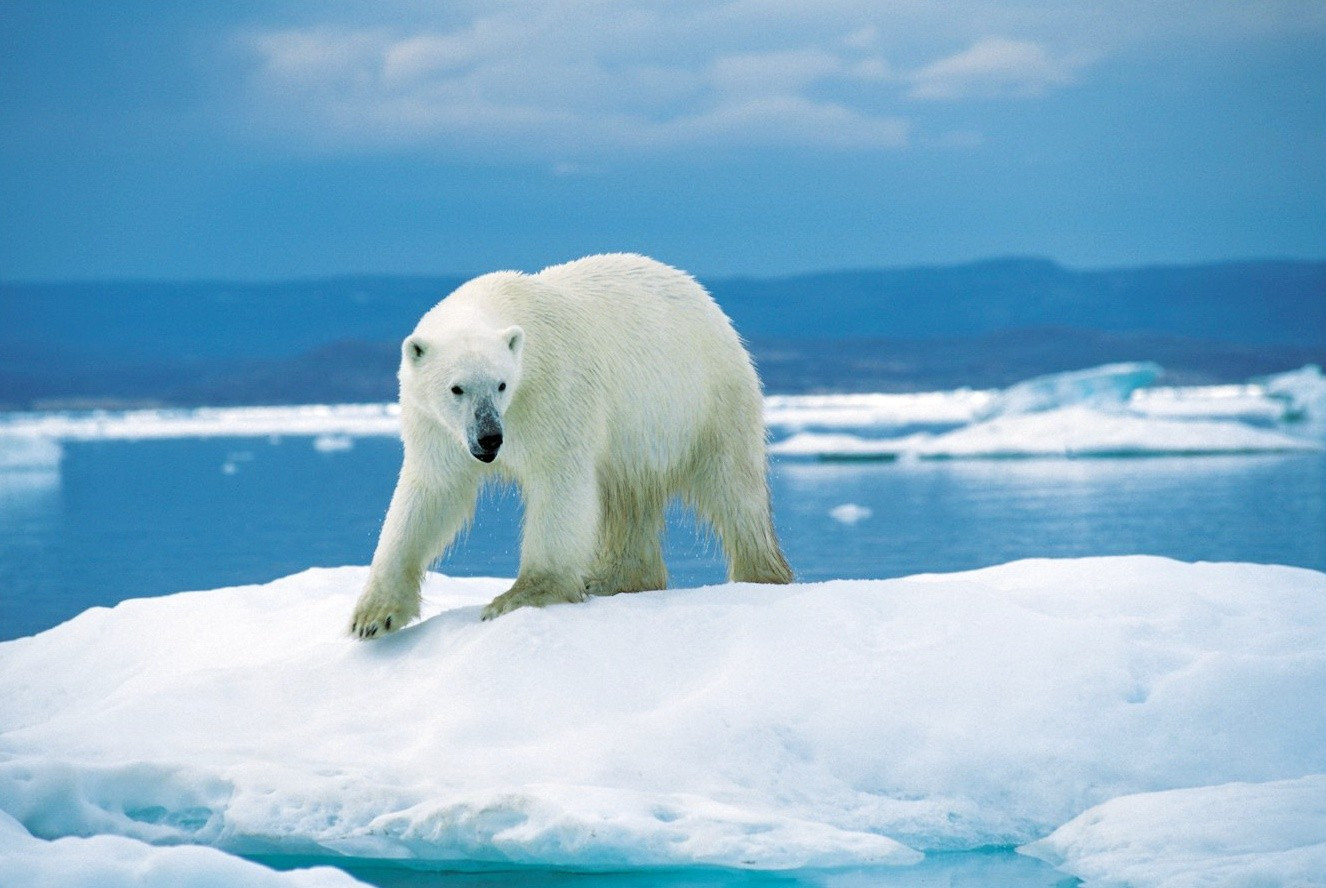
      Researchers are deploying advanced radar systems powered by artificial intelligence to detect the presence of polar bears near Arctic communities, enabling early alerts and helping avert dangerous human-bear encounters while also supporting conservation efforts for the species. The initiative, led by organisations such as Polar Bears International in partnership with radar-technology firm Spotter Global, has moved from controlled testing (including a zoo setting in Winnipeg) to operational deployment in remote regions like Eureka, Nunavut. Beyond detection, the systems link to alert mechanisms (lights, alarms, texts) to give residents time to use non-lethal deterrents. At the same time, these technologies double as tools for tracking bear movements in a warming Arctic where sea ice loss forces more land-based bear activity and greater potential for conflict.

      Sources: Weather.com, ArcticWWF.org

      Key Takeaways

      – AI-driven radar systems can now distinguish polar bears from other moving objects (humans, vehicles, other wildlife) in remote Arctic environments, enabling automated early alerts to communities.

      – The increased time polar bears spend on land due to shrinking sea-ice is elevating risk of human-bear interactions; technology like this provides a non-lethal intervention option that benefits both public safety and conservation.

      – Deployment of such systems in harsh conditions (extreme cold, darkness, snow) marks an important convergence of wildlife protection, community safety, and advanced tech — suggesting a model for other species/regions as climate pressures mount.

      In-Depth

      In the high Arctic, where shifts in climate are stretching the habitat of iconic species such as the polar bear, communities and conservationists alike face a rising dilemma: as sea ice retreats, bears spend more time on shore, wandering into human-occupied zones, often in search of food. This creates not only ecological concerns, but also direct safety risks for residents and tourists in remote northern hubs. Recognising this evolving challenge, a coalition of wildlife agencies and tech firms has advanced a new tool: radar systems fitted with artificial intelligence that can detect and alert to the presence of a polar bear before a potentially dangerous encounter.

      One such system — dubbed “Bear-dar” — developed by the non-profit organisation Polar Bears International in collaboration with Spotter Global, uses medium-range radar to monitor wide tracts of tundra and coastline, while AI algorithms analyse radar signatures to identify when a moving object is a polar bear. Initial test phases took place at the Assiniboine Park Zoo in Winnipeg, where known bear movements and other activity gave the AI multiple data sets — distinguishing polar bear traces from those of people, cars, and other animals. The project then graduated to field trials in Churchill, Manitoba, and ultimately deployed in real-world conditions at Eureka, Nunavut. The system can trigger alarms, activate lights, or send text notifications to local responders when a bear is approaching a human-occupied area.

      The practical implications are significant. Conventional bear-alert methods rely heavily on human patrols and visual spotting, which in Arctic conditions can be hampered by darkness, weather, and rough terrain. The radar-AI system provides a technological supplement, offering longer-range and 24-hour capability even in fog, snow or polar night. For residents of small northern communities, that extra notice matters: it gives them time to enact deterrents (noise makers, lights, flares) rather than resorting to lethal options. From the conservation perspective, it offers a tangible way to reduce bear-human conflict — a key factor not only for human safety but for bear survival, as frightened or habituated animals often face removal or harm.

      Furthermore, the innovation is timely given alarming population trends. For example, studies indicate the western Hudson Bay subpopulation of polar bears has declined by nearly half since 1979, with sea-ice loss driving longer shore-bound periods and diminished hunting opportunities. The radar-AI approach thus serves a dual purpose: protecting people while providing researchers with data on bear movements, body condition, and land-use patterns in a changing Arctic. It also underscores a broader principle — that investment in high-tech conservation tools and early warning systems may become increasingly important as wildlife adapts to climate-driven habitat shifts.

      As with any tech deployment in remote regions, practical questions remain: power supply in extreme cold, maintenance in harsh weather, false alarm rates and community acceptance of the system. But early reports suggest the radar-AI combination holds great promise for building coexistence models where wildlife and humans share shrinking landscapes. For communities and media makers alike — including content creators like yourself focused on environment-justice, technology and outreach — this story can serve as a case study of how conservative values of human safety, efficient tech investment and wildlife stewardship align to produce practical, real-world solutions.

      AI Safety
      Share. Facebook Twitter Pinterest LinkedIn Tumblr Email
      Previous ArticleAI-Powered Immigration Aid: How JustiGuide Aims To Simplify U.S. Visa Process
      Next Article AI Regulation Showdown: States Move Fast In Face Of Sluggish Federal Action

      Related Posts

      AI-Driven Security Audit Exposes Dozens Of Vulnerabilities In Major Web Browser

      March 9, 2026

      U.S. Approves Bill Gates-Backed TerraPower Reactor, Signaling Nuclear Energy Revival

      March 9, 2026

      AI War Games Reveal Chatbots Escalate Toward Nuclear Conflict

      March 8, 2026

      Nvidia Pulls Plug on China-Bound AI Chips Amid Escalating U.S.–China Tech Standoff

      March 8, 2026
      Add A Comment
      Leave A Reply Cancel Reply

      Editors Picks

      AI-Driven Security Audit Exposes Dozens Of Vulnerabilities In Major Web Browser

      March 9, 2026

      U.S. Approves Bill Gates-Backed TerraPower Reactor, Signaling Nuclear Energy Revival

      March 9, 2026

      AI War Games Reveal Chatbots Escalate Toward Nuclear Conflict

      March 8, 2026

      Nvidia Pulls Plug on China-Bound AI Chips Amid Escalating U.S.–China Tech Standoff

      March 8, 2026
      Popular Topics
      Series A Samsung Qualcomm Satya Nadella SpaceX Startup Quantum computing Tim Cook Ransomware Taiwan Tech spotlight trending Sam Altman Series B UAE Tech picks Tesla Cybertruck Sundar Pichai Robotics Tesla
      Major Tech Companies
      • Apple News
      • Google News
      • Meta News
      • Microsoft News
      • Amazon News
      • Samsung News
      • Nvidia News
      • OpenAI News
      • Tesla News
      • AMD News
      • Anthropic News
      • Elbit News
      AI & Emerging Tech
      • AI Regulation News
      • AI Safety News
      • AI Adoption
      • Quantum Computing News
      • Robotics News
      Key People
      • Sam Altman News
      • Jensen Huang News
      • Elon Musk News
      • Mark Zuckerberg News
      • Sundar Pichai News
      • Tim Cook News
      • Satya Nadella News
      • Mustafa Suleyman News
      Global Tech & Policy
      • Israel Tech News
      • India Tech News
      • Taiwan Tech News
      • UAE Tech News
      Startups & Emerging Tech
      • Series A News
      • Series B News
      • Startup News
      Tallwire
      Facebook X (Twitter) LinkedIn Threads Instagram RSS
      • Tech
      • Entertainment
      • Business
      • Government
      • Academia
      • Transportation
      • Legal
      • Press Kit
      © 2026 Tallwire. Optimized by ARMOUR Digital Marketing Agency.

      Type above and press Enter to search. Press Esc to cancel.